
How to Sell a Tenanted Property
If you’re planning to sell your investment property, one of the key decisions you’ll need to make is whether to sell with tenants in place or vacate the property before listing it. Each option comes with its own set of benefits and considerations, which I will discuss below.
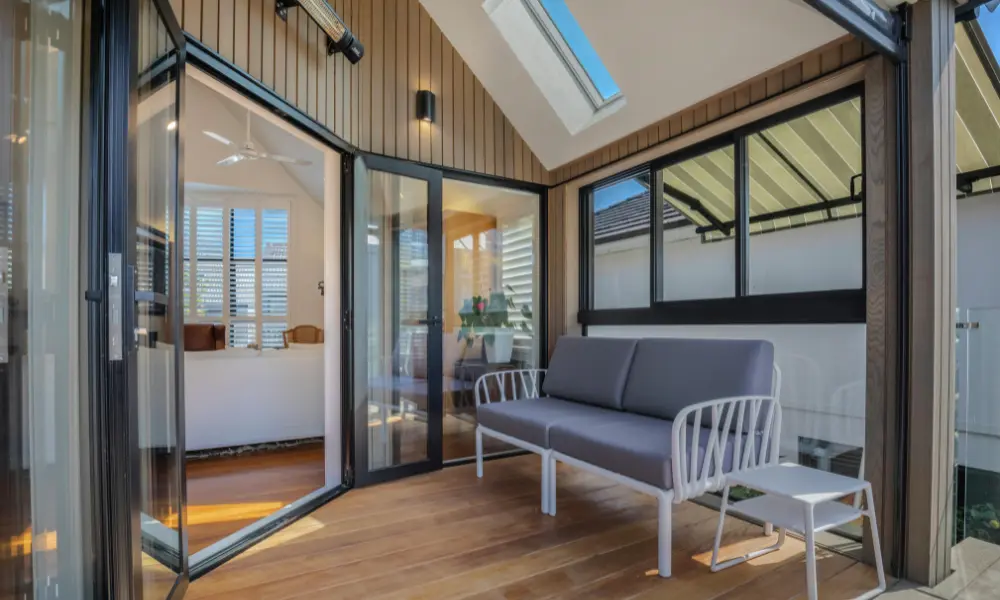
Selling with Tenants in Place
Selling a tenanted property can be a more attractive option for several reasons. For tenants, it offers the advantage of remaining in their home longer, and they may even be able to continue their tenancy under the new owner. For prospective buyers, especially those looking to invest, a tenanted property demonstrates that the home is a viable rental investment, eliminating the need to find new tenants.
Buyers interested in owner-occupancy may appreciate seeing a furnished property, as it helps them envision how the space can be used.
For the seller, continuing to collect rental income during the sales process is a significant advantage.
Selling a Vacant Property
Alternatively, selling a property without tenants allows for more flexibility in preparing the property for sale. You’ll be able to carry out repairs or renovations with greater ease and won’t need to coordinate with tenants regarding open homes or viewings. Additionally, having the property vacant allows for better presentation during inspections, which may speed up the sale process.
Things to Consider When Selling a Tenanted Property
- Clear Communication: Inform tenants early about the sale and their rights to reduce stress and ensure a smoother transition
- In-Person Notice: Deliver the notice in person to discuss access for viewings and other related matters.
- Permission for Access: Obtain tenant consent for photography, inspections and open homes; ensure no personal belongings are featured without approval.
- Written Access Schedule: Work with your real estate agent to create and sign a written schedule for access to the property.
- Tenant’s Rights: Tenants can set reasonable conditions for access (e.g., limiting times or attending open homes) but cannot unreasonably refuse access.
- Post-Sale Notification: Inform tenants of the new owner’s details and provide a copy of the tenancy agreement.
What if the Buyer Wants the Tenant to Stay?
If the new owner plans to keep the tenant, this should be specified in the sales agreement. The new owner will become the landlord, or a property management company may take on that role. Any rent paid in advance should be passed on to the buyer, and if the bond is held by Tenancy Services, a Change of Landlord form must be submitted to transfer it to the new owner.
What if the Buyer Wants the Property Vacant?
If the buyer requires vacant possession, you must give periodic tenants at least 90 days’ notice to end the tenancy, ensuring the property is vacant by settlement. For fixed-term leases, the sale must occur with the tenancy in place unless the tenant agrees to end the lease early. If the fixed- term lease started after 11th February 2021, you can terminate the tenancy with 90 days’ notice, provided the sale agreement requires vacant possession.
If the property is sold before the lease ends and the new owner wants the tenant to stay, the buyer must honor the existing tenancy agreement, becoming the new landlord.
Pre-Settlement Inspection
Regardless of whether the property is tenanted or vacant, the buyer is entitled to a pre-settlement inspection. If the property is still tenanted, the tenant must agree to the inspection and reasonable notice should be given.
Final Thoughts
Selling a property with tenants or vacant has its pros and cons, and your decision will depend on several factors, including the tenant’s preferences, the state of the property, and your timeline. The most important thing is to maintain clear and open communication with your tenants throughout the process. This will help minimize stress for both you and the tenants, ensuring the sale goes smoothly for everyone involved.